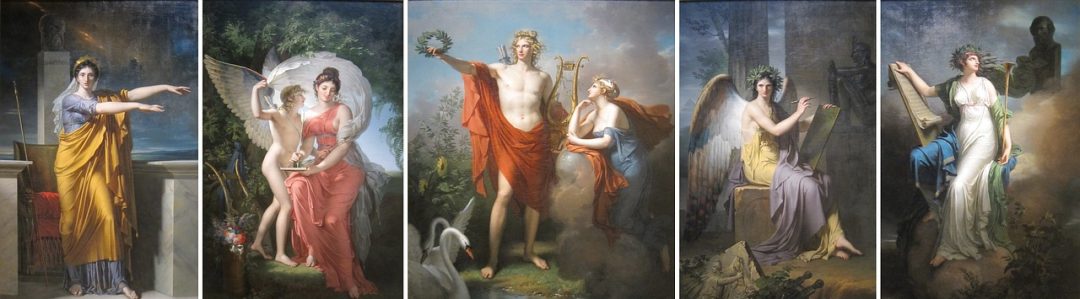
Museum Navigation Post 2
Now that you have found the art what do you need to examine it? It is not hard to do. No matter the medium all art examining skills are easy to use. In a high school class or an art history for college credits? Terms can be found in the back of your art history textbook. Need more help see the museum library (if they have one) for assistance. Check with the museum for photography rules. Flash is not allowed in many museums. Selfie slicks are not allowed!
The medium (what the art is made of) will help choose words you can use to describe the art. A sculpture will be a bit different than a painting. So let’s use a painting for an example:
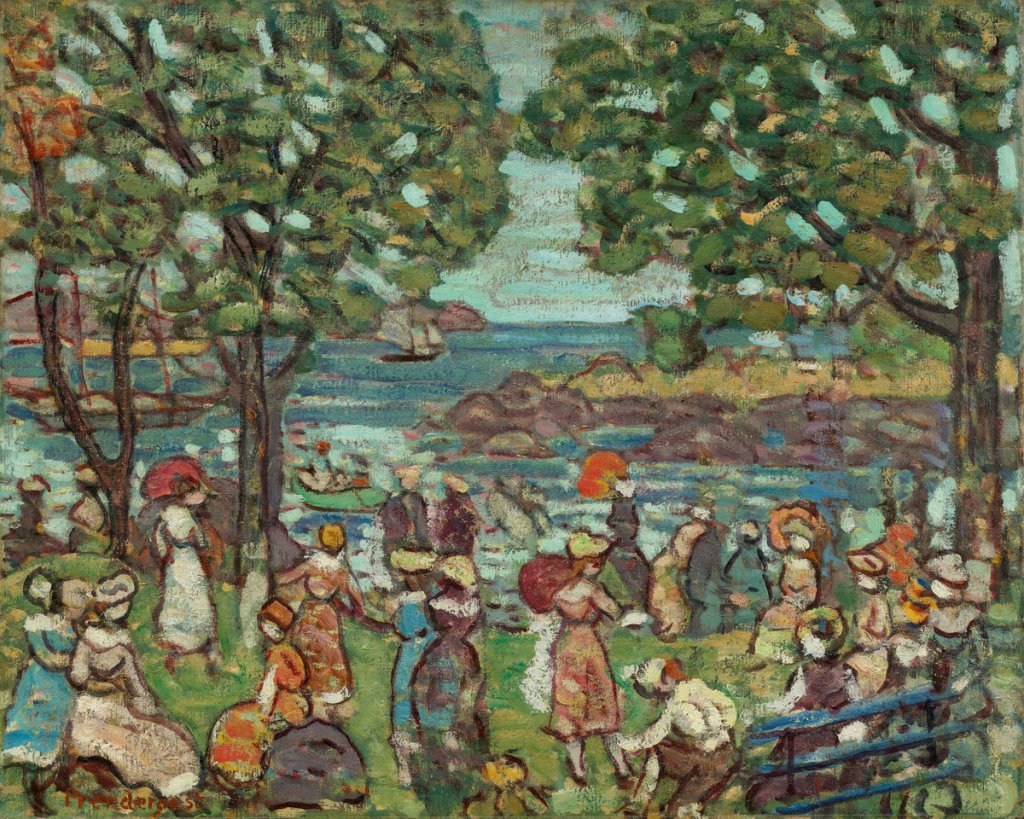
First the basics, see my first post for how to read a wall card/ placard here. Who was it made by and when? What is it made of? Is it one of a kind like the Mona Lisa? Or something more common like a painting of flowers or farm land.
- Look at the setting first: Farmland or fireplace? Is it outside? Animals and people? Are People present? Indoors? If it is a painting of a person from the shoulders up, then it is called a portrait bust. Is the work asymmetrical? Or Balanced?
- Who is in charge? Who is the focus? Most, if not all artworks have a main area of focus. A man signing documents, a rider on horse for example. Where does your eye move when you see the art.
- What are the main colors used in the work? How does it make you feel? How a work of art makes you feel can be an important part of the analysis. Different colors can impact your mood. Think of the Scream for example, or a black and white photograph vs. color.
- The medium of the art can differ in size, shape and how common it is paint made from a semi-precious stone or house paint that covers the canvas. Sheet metal and twine? Glitter?
- Use your words; it helps if you use vocabulary from your class notes to describe the art. Such a line, area of focus and highlights. Chose four to six terms for your paper and use them to connect to the ideas in your descriptions. If you go to a special exhibition note other things such as sound? Or smell in the artwork if it is there.
- The style of the art can reflect important clues to what has happened. When was this work created? Before or after WW1? Was it free expression or limited?
You might need to familiarize yourself with the different styles of art. Something made in ancient times is going to look different than a work made after WW2. Some teachers print out a map or photo of the art for you to find. Others let you choose from a list of chosen works. If that is the case, then choose the one you like the most but visit the others on the list. I have been in this situation before for many art history classes. One of the works was a small painting and was alright, but by visiting all the works I finally chose the painting that was rounded, with a frame to match. It made the experience of writing about it so much easier. Sometimes this is not the case and you just have to make the best of it.
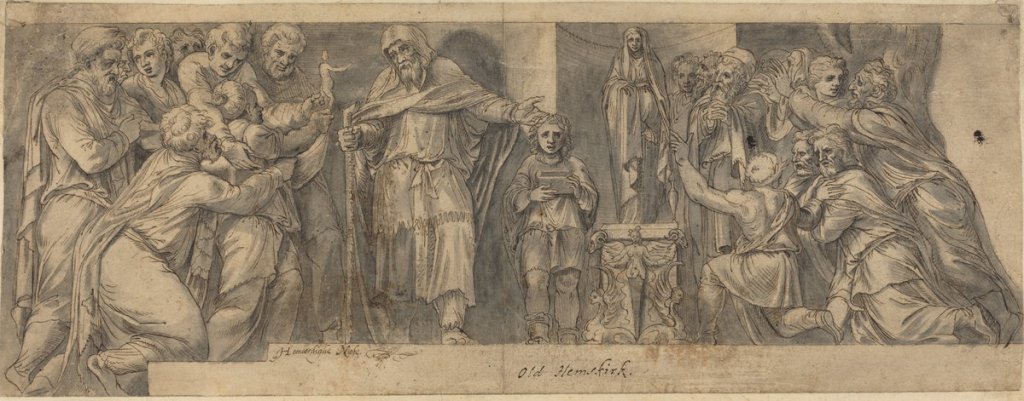
Scene from Ancient History
16th century
Drawing
Note: The art you want could be moved or temporally on loan to another museum. Well, you find your project topic and it and it’s gone. You have walked all the nearby rooms and yep, it is just not there. Let your professor or teacher know as soon as possible. Sometimes, despite their best efforts the work is on loan to another place or a similar situation. See if you can first find a similar work and take photos of it as a backup project. Look for a work that is close to a year and style. My next advice is head to the library as soon as possible. Scan the book and get the printouts (there might be a fee). Get a color scan if you can of the painting. It won’t be the same as in person, but will help you with your project.
Short on time? Use the museum website to help you. See Post 1 in this series here. I cover how to use the web to help you with an art project. Hope this helps make it easier to see that you have all the tools you need for your project.
 Love of Muses